Here is a collection of the ethnographic details of the five participants in this project. This page is concerned with the question of why I choose to observe life through the camera and lens.
Why I use the camera
Please note that some of this section may duplicate the content of previous ethnographies.
FYI: All images appearing below were taken and provided by my informants.


capture reality
For all five of my participants, three of them had no experience of using a large camera before taking the documentary course.
Yet they usually use their digital cameras or mobile phones to capture the everyday life and call it "recording the reality and the beauty".
Their reasons for choosing to study documentaries and see the world through a camera were varied. Some believe that the camera gives them the right to document life with multiple senses, some say that the camera is simply a medium for them to realise their artistic ambitions, and others consider the camera as their second sight.
But it is easy to see that almost everyone sees the camera as the perfect tool for capturing and recording reality.
Record sensory experience
Through long-time participant observations with my participants, I find that they almost always use the camera as a tool to help them capture and store their sensory experiences in daily life. My three informants regard the camera as a digital storage of some unique life experience that the eye sees or the ear hears in reality. Furthermore, this digitisation of the archive gives them the illusion that the memories that are digitally stored can last forever.

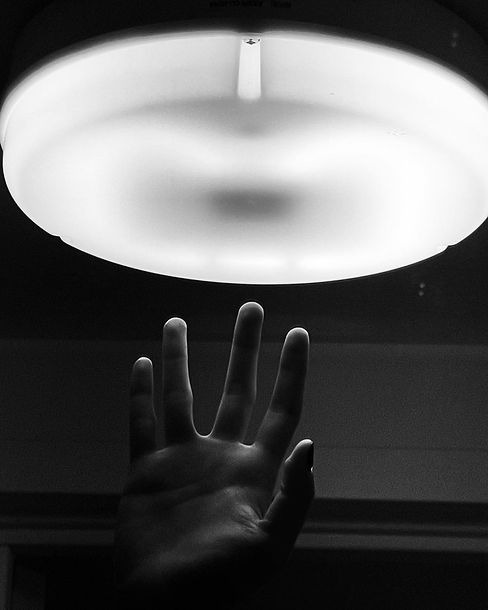
sensory memory
Interestingly, however, despite claiming to have recorded all the good moments of their lives with their cameras, most of them rarely revisit these recorded moments after they have been taken. Four of my informants admit that they always throw these photos or videos away on their hard drives or SD cards, never inviting them back from this digital trash. It is as if recording with a camera is just an action to convince oneself that they will "never forget".
Simultaneously, their reliance on the camera reduces their ability to actively retain their sensory experiences, particularly in the case of visual memory. In my comparative study of sensory memory, I discovered that they forget images captured with a camera faster than those seen with their eyes. One participant explains that her subconscious mind believes the camera has assisted her in digitally storing her memories, thus her brain is less active when it comes to recalling.